Dependable Plumbing and Heating Services: Maintaining Your Home's Comfort Throughout the Year
Consistent plumbing and HVAC services play an essential role in sustaining residential comfort year-round. Issues such as leaks or inconsistent temperatures can interfere with everyday routines. Skilled specialists provide maximum system reliability and security, which is critical for any household. Being aware of when to request support and the importance of regular maintenance can have a considerable impact. Which criteria matter most when selecting a service provider, and how might homeowners best address unforeseen urgent situations?
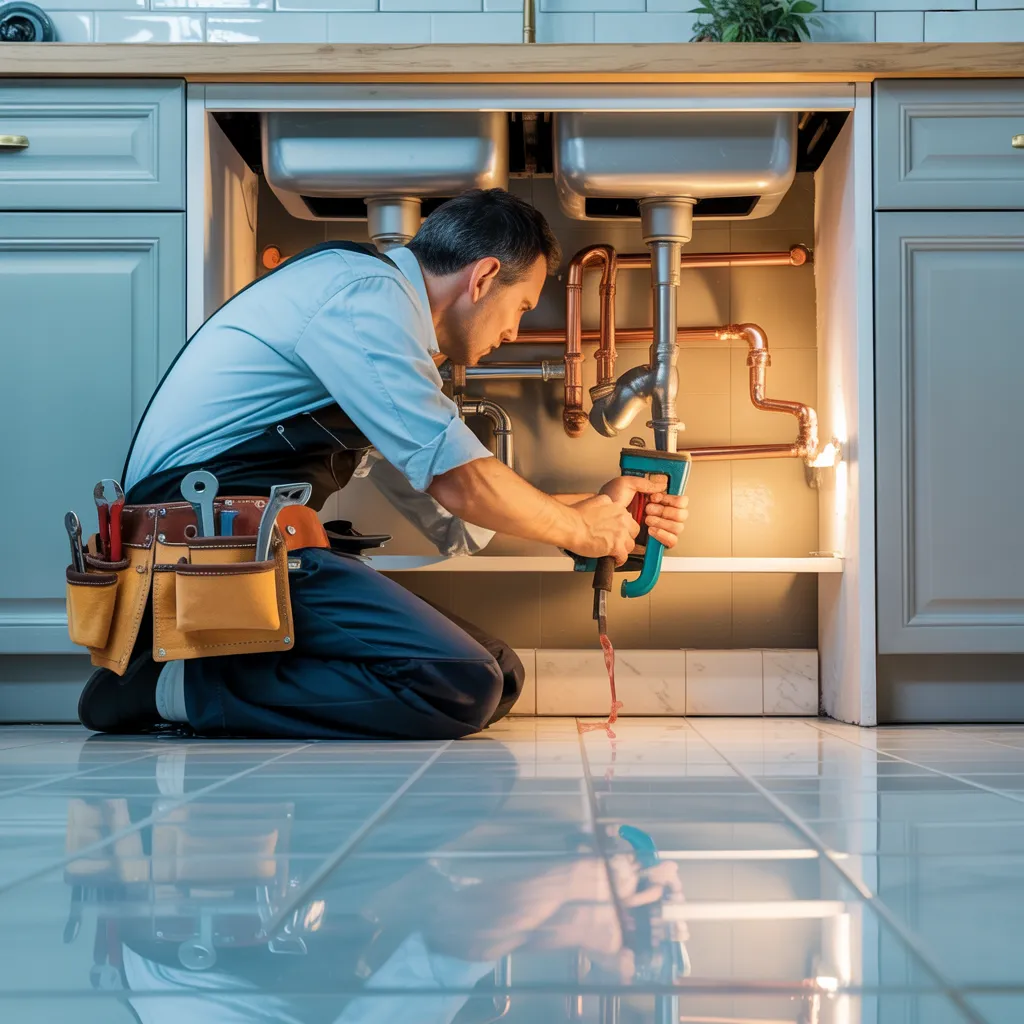
Why Dependable Plumbing and Heating Services Are Important
Trustworthy plumbing and heating services are vital for sustaining a secure and pleasant living environment. These services confirm that water systems work efficiently, avoiding leaks and water damage that could compromise structural integrity. Additionally, effective heating systems are crucial in cooler seasons, delivering warmth and comfort while safeguarding against health risks linked to extreme temperatures.
Prompt maintenance and repairs can increase the lifespan of plumbing and heating systems, saving homeowners from costly replacements. Qualified services also guarantee compliance with safety standards, reducing the risk of accidents such as gas leaks or flooding. Additionally, a properly maintained system improves energy efficiency, consistently decreasing monthly utility costs.
At a time when comfort and safety are paramount, the value of trustworthy plumbing and heating solutions is undeniable. Relying on these services promotes a sense of security, allowing homeowners to focus on other areas of daily life without the worry of unforeseen plumbing or heating concerns.
Warning Signs You Need Expert Plumbing and Heating Support
When residents identify unusual changes in their heating or plumbing systems, it often signals the need for professional assistance. Common indicators include persistent leaks, which can result in increased bills and water damage. Strange sounds from heating units or pipes may also indicate underlying issues that necessitate expert evaluation. Furthermore, fluctuating water temperatures or inconsistent heating can signal damaged systems requiring professional repair or replacement.
An unexpected rise in utility bills may signal issues in the plumbing and heating infrastructure that require attention. Homeowners should also be alert to unpleasant odors, which might suggest gas leaks or sewer issues. Additionally, visible corrosion or rust on fixtures can indicate damage that requires prompt action. Recognizing these signs early can avoid more serious and expensive damage, maintaining a comfortable and secure home all year long.
How to Select the Best Plumbing and Heating Provider
Picking the right plumbing and heating provider demands thoughtful assessment of a number of essential elements. Experience and expertise, along with adequate certifications and insurance, play crucial roles in providing high-quality service. In addition, knowing the variety of packages and service offerings allows clients make knowledgeable choices that match their unique needs.
Knowledge and Experience
Selecting a heating and plumbing provider necessitates careful consideration of both experience and expertise, as these factors significantly affect the quality of service. A seasoned provider typically has a track record that showcases their ability to manage various plumbing and heating issues effectively. Their experience often translates into a deeper understanding of common problems and efficient solutions. Additionally, expertise in the latest technologies and methods is essential in an industry that regularly advances. Homeowners should consider providers with specialized training and certifications, as these credentials demonstrate a commitment to professional standards. By prioritizing experience and expertise, clients can guarantee they receive reliable service that addresses their specific needs and preserves the comfort of their homes year-round.
Licensure and Insurance Coverage
Insurance is equally important, as it defends homeowners against potential risks that could occur during work, such as accidents or property damage. A reliable provider will maintain both liability and workers' compensation coverage, ensuring assurance to homeowners.
Before hiring, homeowners must verify a service provider's insurance coverage and licensing status. This important step can prevent future complications and help guarantee a safe and successful service experience.
Service Options and Packages
Many plumbing and heating providers present diverse services and packages, which means homeowners must evaluate their particular requirements before selecting a service. It is important for homeowners to evaluate aspects including seasonal maintenance, emergency repairs, and installation services as they compare potential providers. Offerings may consist of scheduled inspections, warranties, and energy efficiency reviews. Transparent pricing structures are crucial; providers should offer clear estimates without hidden costs. Additionally, reading customer reviews can help gauge the reliability and quality of service. Residents should seek out customizable packages that align with their budgetary limitations and individual requirements. Fundamentally, making the best provider selection requires a careful analysis of offered services, pricing transparency, and overall customer contentment.
Why Routine Maintenance Is Essential for Your Home
Regular maintenance is essential for every household, as it not only guarantees the effectiveness of plumbing and heating systems but also extends their longevity. By planning periodic check-ups, residents can spot possible problems before they escalate into costly repairs. This proactive approach helps to guarantee that equipment runs at maximum efficiency, reducing energy consumption and reducing monthly bills.
Additionally, routine maintenance improves safety by reducing the likelihood of malfunctions that could lead to dangerous conditions, such as harmful leaks or carbon monoxide hazards. It also upholds warranties on equipment, as several manufacturers require ongoing servicing to validate coverage.
In the end, the investment in routine maintenance provides peace of mind, understanding that systems are functioning at their best. Homeowners who prioritize this practice benefit from improved comfort, reliability, and long-term savings, making it an essential part of owning a home.
Handling Plumbing and Heating Emergencies
Homeowners can often encounter sudden plumbing and heating issues despite their best efforts at maintenance. When these emergencies occur, prompt action is essential to minimize damage and reestablish comfort. Common emergencies include broken pipes, faulty water heaters, or heating unit breakdowns in severe weather conditions.
During these situations, it is important to identify the problem quickly. For plumbing issues, turning off the main water supply can avoid flooding, while heating malfunctions may require adjusting the thermostat or checking power sources.
Reaching out to a trusted plumbing and heating service is recommended, as skilled technicians can assess and fix concerns promptly. Homeowners should keep contact information for emergency services readily available. Moreover, noting the details can help streamline discussions with the service team. By staying composed and knowledgeable, property owners can manage these critical moments successfully, keeping their homes secure and comfortable.
Money-Saving Advice for Plumbing and Heating Services
Cost-saving measures in heating and plumbing solutions can greatly reduce expenses for property owners. Routine upkeep not only prolongs the life of these systems but also prevents costly repairs. Moreover, investing in energy-saving improvements can result in significant reductions on monthly utility expenses over the long term.
Regular Maintenance Benefits
Keeping heating and plumbing systems on a regular basis can lead to significant financial benefits. Routine upkeep helps identify and address minor concerns before they develop into costly repairs. By arranging regular check-ups, homeowners can ensure their systems run at peak performance, decreasing power consumption and lowering utility bills. Furthermore, properly serviced systems tend to have greater longevity, pushing back the necessity of expensive replacements. Regular servicing can also improve safety by preventing hazards such as gas leaks or pipe issues. Additionally, a number of service professionals offer maintenance plans that can offer savings on repairs and services, providing even more cost advantages. Ultimately, investing in regular maintenance is a wise approach for homeowners seeking to control expenses while maintaining comfort throughout the year.
Energy-Efficient Upgrades
Transitioning to high-efficiency plumbing and heating systems can considerably decrease energy bills while improving overall comfort levels. Homeowners should consider adding tankless water heaters, which provide hot water on demand, removing standby heat loss. Furthermore, advanced thermostats enable more precise temperature management, lowering energy use during periods when the home is empty. Adding insulation to pipes and ductwork prevents thermal energy loss, enhancing system performance even more. Energy-efficient furnaces and boilers require less energy while providing reliable warmth. In terms of plumbing, reduced-flow fixtures can substantially reduce water use without compromising performance. By committing to these improvements, homeowners can reduce their monthly costs while supporting environmental sustainability. In summary, energy-efficient improvements offer a practical approach to maintaining comfort and conserving resources year-round.
Emerging Trends in Plumbing and Heating to Look Out For
What emerging technologies are defining the future of plumbing and heating? Breakthroughs including smart useful resource thermostats and leak detection systems are changing how homeowners handle their home utilities. Smart thermostats study user habits, maximizing energy savings while elevating overall comfort. In addition, cutting-edge leak detection technology warns homeowners of possible concerns before they develop, limiting water damage and associated repair costs.
Another significant advancement is the integration of on-demand water heaters, which deliver hot water instantly, boosting efficiency and reducing spatial requirements. Additionally, environmentally conscious plumbing materials, like cross-linked polyethylene piping, are growing in demand for their durability and resistance to corrosion.
Within the realm of heating, heat pumps are gaining wider adoption due to their ability to efficiently transfer heat, lowering energy usage. Combined, these developments promise not only to enhance the performance and dependability of plumbing and heating systems but also to support a greener and more sustainable future for residential comfort.
Commonly Asked Questions
How Regularly Should I Arrange Plumbing and Heating Maintenance?
Specialists suggest planning plumbing and heating maintenance at least once a year. Periodic evaluations help avoid expensive repairs, maintain system effectiveness, and extend the life of your equipment, thereby creating a more comfortable living environment.
What Are Typical Plumbing and Heating Myths?
Widespread plumbing and heating misconceptions involve the false assumption that chemical treatments can eliminate all types of clogs, that wider pipes will always provide improved flow rates, and that regular maintenance is unnecessary if systems appear to function well.
Can I Undertake Any Plumbing or Heating Repairs by Myself?
Yes, certain plumbing and heating fixes can be carried out by homeowners, particularly basic tasks like clearing blocked drains or swapping out faucets. Even so, advanced issues frequently demand expert knowledge to guarantee safe outcomes and stop further harm.
What Certifications Should I Seek in Service Providers?
When selecting professionals, it is important to look for certifications such as state licensing, Master Plumber, or HVAC Technician. These qualifications reflect a commitment to quality, expertise, and adherence to safety standards across plumbing and heating services.
How Can I Improve My Home's Energy Efficiency?
Increasing a home's energy performance can encompass sealing leaks, upgrading insulation, utilizing energy-saving appliances, and fitting smart thermostats. Routine upkeep of HVAC systems likewise strengthens operational efficiency and reduces power consumption over time.